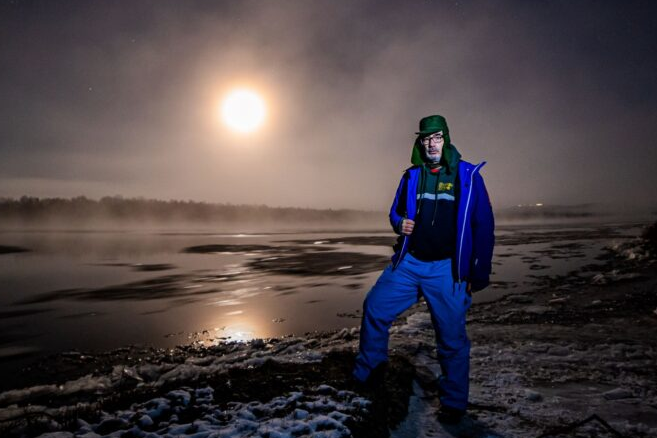
Let’s be honest—chasing the aurora sounds romantic, but standing outside in -30°C for hours is anything but.
If you’re not dressed right, it’s not magical—it’s miserable. This guide is all about clothing: what works, what doesn’t, and how to stay warm without spending a fortune. I’ll cover photography gear, food, and other essentials in separate articles.
August to November: The Pre-Zero Zone
From August through November, temperatures can range from mild to just below freezing. Remember in the north it is a lot colder and hit the minus temps as early as September. You’ve got more flexibility here, but don’t get cocky. Nights can still bite, especially in northern Finland. I wear bright orange overalls during this season—not exactly fashion-forward, but they’re high-visibility. In the U.S., I’d probably get mistaken for an escaped convict, but here, it’s about safety. If I slip, trip, or fall and need help, I want to be seen. I also wear reflective strips in winter—because if the worst happens, I want rescuers to find me fast.
Clear Nights = Cold Nights
Layering Basics: The Golden Rule
Layering isn’t just a suggestion—it’s survival. The trick is to use breathable, moisture-wicking materials. Cotton is great indoors, but outside? It holds moisture, and wet = cold. Cold = regret.
Temperature Guide
| Conditions | Temperature Range | Clothing Strategy |
|---|---|---|
| Mild Winter | -5°C to -15°C | Basic layering, fleece, windproof outerwear |
| Cold Winter | -15°C to -25°C | Full layering, insulated gear |
| Arctic Extremes | -25°C to -40°C | Technical clothing, windproof everything |
Check Supersaa for weather updates—they give two forecasts so you can build a clearer picture.
Footwear: Your Feet Will Betray You First
- Snow boots are ideal. If you’re using hiking boots, make sure they’re roomy enough for two pairs of thick wool socks.
- Thermal insoles or liners are essential. I use insoles made from felt. Cold feet are a special kind of torture.
- Avoid tight boots. Circulation matters. If your toes go numb, you’re done.
Socks: Wool Is King
- Merino wool is the gold standard. Hand knitted socks (my mother in-law is a human knitting machine) or Ski socks or hiking socks work well.
- Layering socks is fine, but don’t overdo it—tight socks reduce circulation.
Legs: Build the Sandwich
- Base Layer: Thermal long underwear. Wool is best, polyester is good. No cotton. No extra undies underneath—just trust the thermals.
- Middle Layer: Polyester joggers, sweatpants, or college trousers. Cheap and effective.
- Outer Layer: Ski pants. Windproof, waterproof, and roomy enough for layers underneath.
Upper Body: The Core Rules Everything
- Base Layer: Thermal top—again, wool or polyester.
- Middle Layer: Fleece shirt + thick wool jumper. (100% wool is rare, but worth hunting down.)
- Outer Layer: Insulated jacket. This is where you spend money. A good jacket will save your life. Look for windproof, waterproof, and rated for extreme cold.
Accessories: The Little Things That Matter
- Head: Woolly hat, fur trapper hat (or fake fur), balaclava. Cover your ears. Cover your neck.
- Hands: Thin gloves under mittens. Mittens are warmer than gloves. Ski gloves are great—windproof and flexible. I swear by my fur lined leather mittens.
- Wrist warmers: Ruskovilla makes great ones. They help more than you’d think.
- Scarf: Wool or polyester. Wrap it tight, tuck it in.
- Reflective gear: Especially in winter. Visibility saves lives.
All-in-One Option: Budget-Friendly and Brilliant
If you’re on a budget, check out the ice fishing suits sold in Finland. They’re windproof, weatherproof, and surprisingly affordable. Add layers underneath and you’ve got a solid setup. Lidl sometimes stocks technical clothing too—cheap but effective. You’ve got to be an opportunist shopper though; they don’t sell it year-round.
What I Actually Wear (And Why)
Here’s my personal setup—what I wear and why it works. Here’s the basics:
August to November:
- Bright orange overalls for visibility. If it is damp I wear a reflective waterproof jacket
- Reflective strips for safety. Or I add the small reflective fobs that companies giveaway here in Finland.
- Lightweight thermal base layers
- Fleece mid-layer or a kangaroo pocket hoodie, great for keeping camera batteries and powerbanks warm.
- Windproof jacket in bright orange.
- Hiking boots with wool socks
Deep Winter (December to March):
- Rukka base layers (I buy these in the summer. For some reason they are cheaper then.)
- Lumberjack shirt, thick fleece or hoodie
- Insulated ski jacket
- Ski pants over joggers
- Snow boots with thermal insoles (along with breathable socks and then a good pair of wooly socks)
- Fur lined leather mittens over merino wool wrist and hand warmers. (These fingerless wonders are great for photography)
- Fake fur trapper hat and or balaclava
- Wrist warmers (already mentioned but I am trying to do this in a shopping list order) and a scarf
- Reflective gear always
Final Thoughts: How to Survive the Aurora
- Layer smart. Don’t just pile on clothes—think about breathability and insulation.
- Avoid cotton. It holds moisture. Moisture = cold. Cold = regret.
- Invest in key pieces. Ski trousers and a proper jacket are worth the money. (Buy it in the summer when it is cheaper)
- Test your gear. Don’t wait until you’re standing under the aurora to find out your boots leak.
- Be visible. High-vis clothing and reflective strips aren’t just for construction workers—they’re for survivors.
Shopping: On A Budget
Check sports shops all year round. I check the discount rails. I am not fashion forward when it comes to staying warm. Yes, I buy good brands when they are on sale. Technical breathable gear is what I always look for. I would rather be warm than being at the pinnacle of fashion, aurora clothing in short is imagining the worse case scenario and putting on enough clothes to survive it. (If you get to warm unzip the jacket for a short while.)
One trip in Rovaniemi I was with a group of people and to be honest I was the warmest person in the group. But there was one person who did not wrap up well and stayed in the minibus for most of the adventure.
Stay warm on your adventures out.